 Skip to content

Winter Thermostat Tips: Stay Warm and Save on Heating Costs
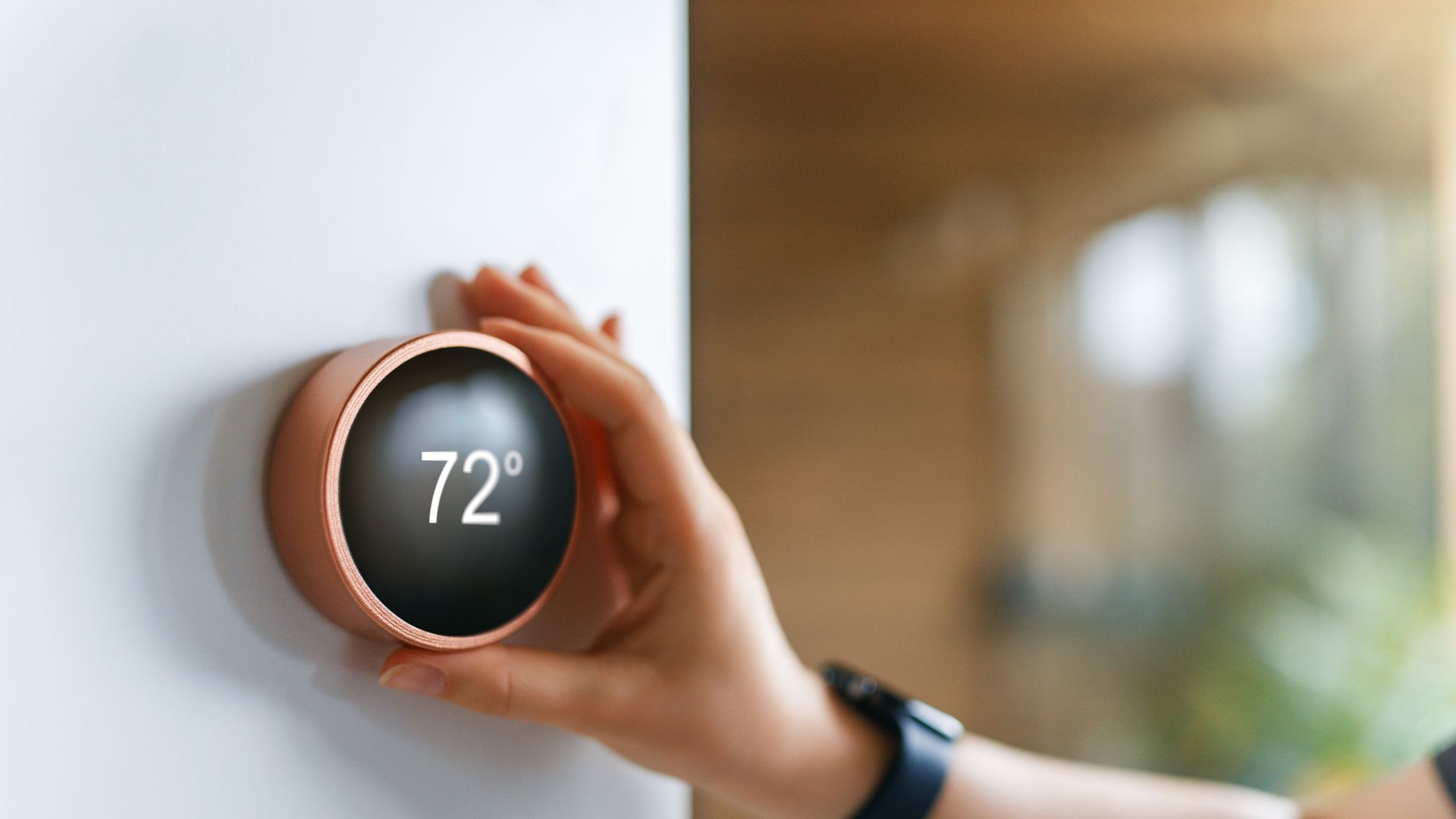
When winter arrives in Maine, your thermostat becomes one of the most important controls in your home. Finding the right balance between staying comfortable and keeping heating costs manageable can make a noticeable difference over the course of the heating season.
So, what temperature should you set your thermostat in the winter? Should you turn the heat down at night? And can constantly changing the temperature actually cause you to use more heating oil?
Here are some simple winter thermostat tips to help you stay comfortable while making your home heating as efficient as possible.
What Is the Best Thermostat Setting for Winter?
For many households, 68°F is a good starting point when you're home and awake. From there, you can adjust based on your family's comfort level, the efficiency of your home, and your heating system.
Even a small adjustment can make a difference in your overall energy consumption. If 68°F feels comfortable, there's usually no reason to keep your home at 70°F or 72°F throughout the entire day.
Keep in mind that every home is different. Older Maine homes, newer energy-efficient homes, homes with multiple heating zones, and different types of heating systems can all behave differently.
The goal isn't to make your home uncomfortable. It's to find the lowest comfortable thermostat setting for your household.
Should You Lower Your Thermostat at Night?
Yes. In many homes, lowering the thermostat while you're sleeping can help reduce heating costs.
According to the U.S. Department of Energy, turning your thermostat back for a period of several hours can save energy because your home loses heat more slowly when the indoor temperature is lower.
A common approach is to lower your thermostat by several degrees overnight. For example, if you normally keep your home around 68°F during the day, you might try 62–65°F while sleeping and see what feels comfortable for your household.
The same idea applies when you're away from home for several hours.
However, you don't need to make dramatic changes to see benefits.
Avoid Extreme Temperature Swings
If lowering the thermostat saves energy, it might seem logical to turn it way down whenever you leave and crank it back up when you return.
That's usually unnecessary.
Large temperature swings can make your home uncomfortable and may not be appropriate for every heating system or home. Instead, focus on moderate, consistent adjustments.
For example:
Home and awake: Around 68°F
Sleeping: Approximately 62–65°F
Away for several hours: Approximately 60–65°F
These aren't hard-and-fast rules. Your home's insulation, heating system, outdoor temperature, pets, young children, older adults, plumbing, and other factors should all be considered.
During Maine's extremely cold winter weather, it's also important to keep your home warm enough to help protect plumbing from freezing.
Does Turning the Thermostat Up Higher Heat Your House Faster?
This is a common winter heating misconception.
If your home is 62°F and you want it to reach 68°F, setting the thermostat to 75°F generally won't make your home heat up faster.
Your thermostat tells your heating system when to run and when to stop. Setting the temperature much higher than you actually want can simply cause the system to continue heating longer than necessary.
Set your thermostat to the temperature you want and allow your heating system time to get there.
Consider a Programmable or Smart Thermostat
If you frequently forget to adjust the temperature before bed or when leaving for work, a programmable or smart thermostat can make managing your home's temperature much easier.
You can create a schedule that automatically adjusts your thermostat based on your normal routine.
For example:
- 6:00 AM — Raise the temperature before everyone wakes up
- 8:00 AM — Lower it after everyone leaves
- 4:00 PM — Warm the house before everyone gets home
- 10:00 PM — Lower it for sleeping
Once your schedule is programmed, your thermostat does the work for you.
Some smart thermostats can also provide information about your heating patterns and energy usage, making it easier to see how changes to your routine affect consumption.
Don't Forget About Heating Zones
If your Maine home has multiple heating zones, take advantage of them.
You may not need to keep bedrooms, guest rooms, basements, and living spaces at the same temperature all day.
Reducing the temperature in areas that aren't being used can help you avoid heating unnecessary space. Just be careful not to allow areas containing plumbing to become excessively cold.
Your Thermostat Is Only Part of the Equation
If your heating oil usage seems unusually high, your thermostat may not be the only reason.
Several factors can increase winter fuel consumption, including:
- Extended periods of extremely cold weather
- Poor insulation
- Drafty windows and doors
- An older or inefficient heating system
- Delayed heating system maintenance
- Increased hot water usage
- Changes in the number of people living in the home
- Keeping your thermostat higher than in previous years
If you're suddenly using significantly more heating oil than normal without an obvious explanation, it may be worth having your heating system inspected.
Small Changes Can Add Up Over a Maine Winter
You don't have to keep your house cold to be mindful of heating costs.
Finding a comfortable thermostat setting, lowering the temperature moderately while you're sleeping or away, using heating zones effectively, and avoiding unnecessary temperature swings can all contribute to more efficient home heating.
And when temperatures drop, keeping an eye on your fuel level is just as important as keeping an eye on your thermostat.
Stay Warm This Winter with Rinaldi Energy
At Rinaldi Energy, we're here to help Maine families stay warm throughout the heating season. From dependable heating oil delivery to automatic delivery and flexible fuel options, our team can help take one more winter worry off your list.
Don't wait until the gauge is getting close to empty. Check your heating oil level today and plan ahead for your next delivery.
Contact Rinaldi Energy to schedule a heating oil delivery, learn more about Automatic Delivery, or explore your home heating options.
Need to Place an order?
We are here to provide you quick and reliable fuel delivery service.
Need to Request Service?
Request a service appointment online for annual maintenance, repairs, and more!